



From March 28 to April 10, Tec Labs embarked on an innovation immersion mission to Japan, visiting three of the country’s most dynamic innovation ecosystems: Osaka, Kyoto, and Tokyo. The delegation engaged with leading universities, incubators, venture capital entities, and institutional stakeholders to explore best practices in innovation and entrepreneurship, strengthen international collaboration, and deepen Tec Labs’ presence within the global innovation landscape.
Across the mission, a clear pattern emerged: Japan’s innovation ecosystem is deeply integrated, highly intentional, and built on strong collaboration between academia, industry, government, and investment actors, with a growing emphasis on deeptech and societal impact.
At the same time, a small but symbolic detail accompanied us throughout the journey: at every visit, we were offered business cards, carefully exchanged with formality and respect. Meanwhile, we quickly realised none of us had brought our own. A small cultural contrast, perhaps, but also a reminder that Japan is a place where deep tradition and advanced innovation coexist naturally.
Osaka: Where Collaboration is Intentionally Built
Osaka set the tone for the entire mission, offering a powerful introduction to one of Japan’s most dynamic and interconnected innovation ecosystems, where collaboration is not just encouraged, but intentionally designed.
At the Osaka Institute of Technology, together with Xport and the Osaka Chamber of Commerce and Industry, it became clear how central institutions are in orchestrating collaboration. Rather than operating in isolation, these actors actively create bridges between academia, startups, and industry, ensuring that innovation happens in a coordinated and strategic way.
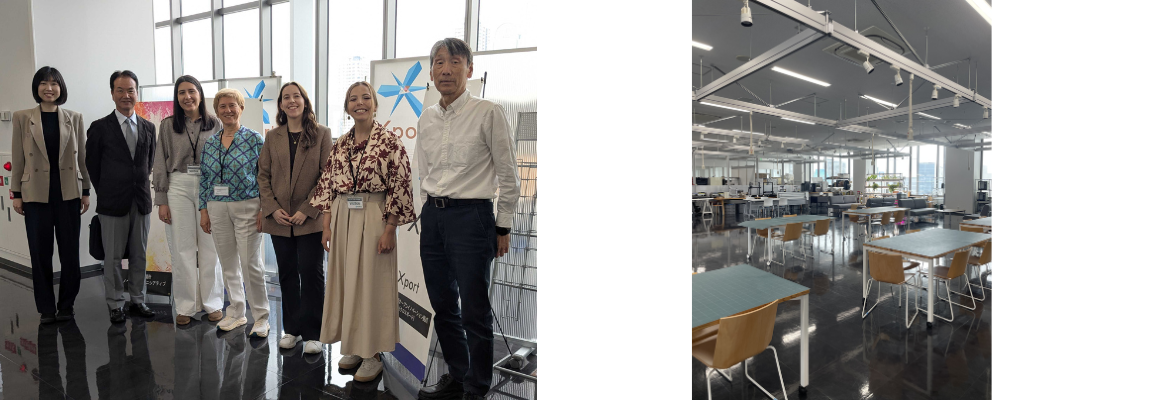
This raised an important reflection from Daniela Alves, Incubation Manager: “Early and strong connections between academia and industry, enabling students to understand real-world problems and users.”
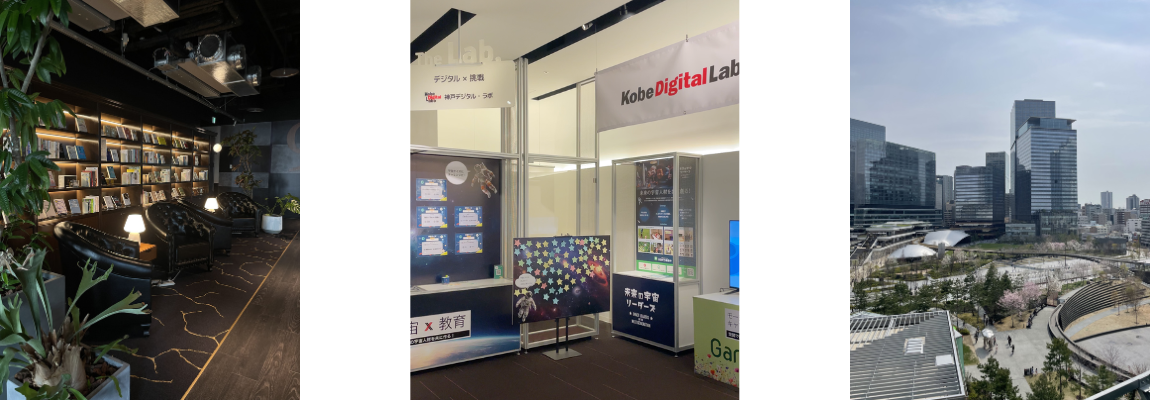
This mindset carried into JAM BASE, a coworking space where materials and function coexist in perfection, enabling collaboration, and into Knowledge Capital, where experimentation and public engagement make innovation visible and accessible beyond institutional walls.
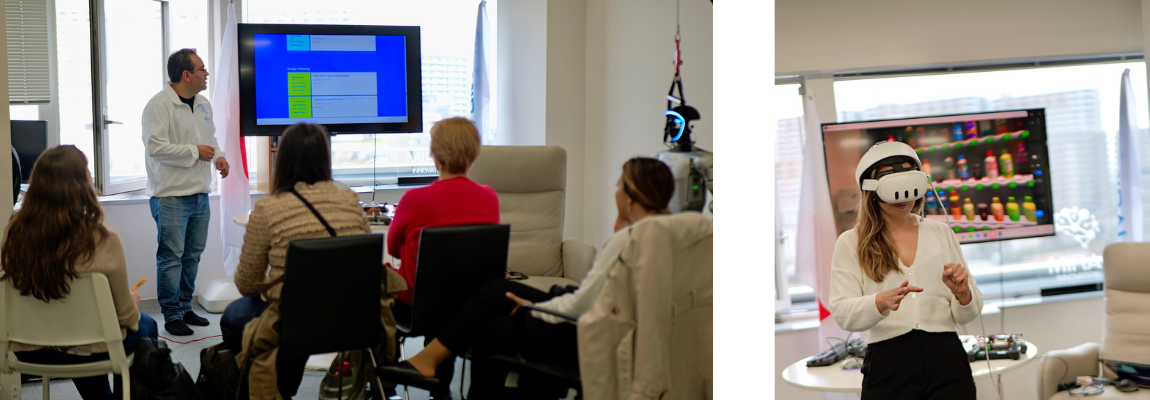
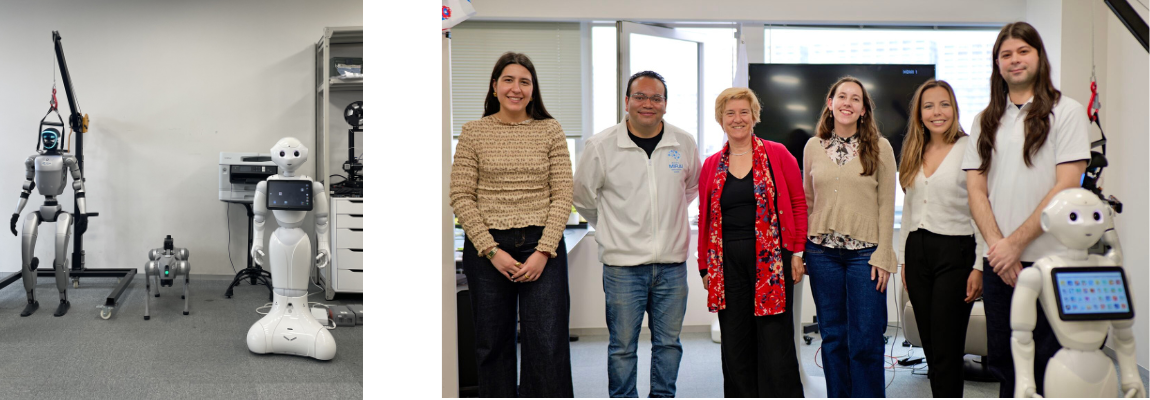
At Mirai Innovation Research Institute, applied research takes centre stage, with a strong focus on translating robotics, AI, and advanced technologies into real-world impact.
That connection between research and impact is further reinforced at Osaka University and Osaka University Venture Capital, where structured pathways support the journey from academic discovery to market-ready ventures. It was here that we first encountered the “Entrepreneur in Residence” model: experienced entrepreneurs working directly with researchers to co-build deeptech startups. This approach, which we would see echoed throughout the rest of the mission, highlights how combining scientific excellence with entrepreneurial experience significantly strengthens the path from idea to company.
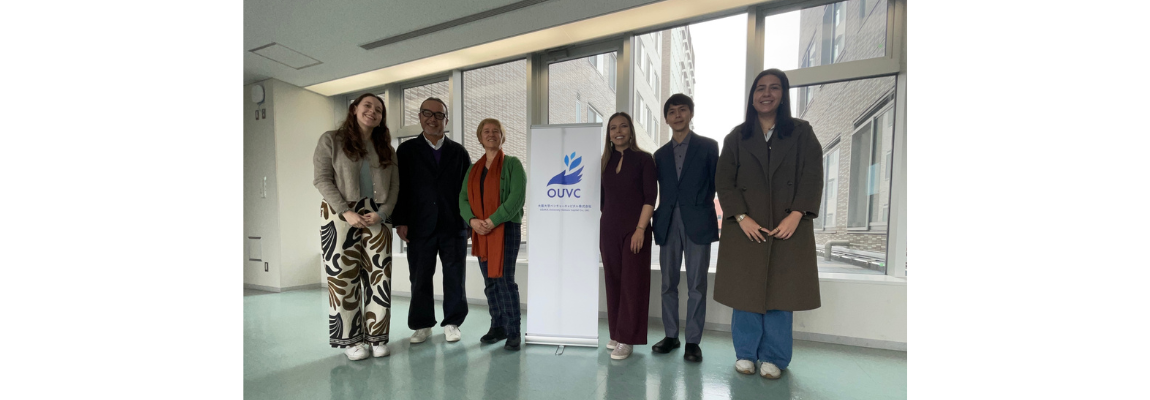
Ana Prata, Entrepreneurship Professor and Tec Labs’ Advisor, reflected on this ecosystem design: “What surprised me the most about Japan’s innovation ecosystem was the extent to which universities are investing directly in innovation “in-house”. Rather than acting solely as knowledge producers, institutions are actively building internal ecosystems supported by both public and private funding. Equally impressive is the deliberate effort to create environments that are not only resource-rich, but also genuinely supportive spaces designed to be comfortable, collaborative and conducive to experimentation. This intentional cultivation of a positive and well-equipped atmosphere shows a deep commitment to fostering innovation from within.”
Beyond the meetings, Osaka also offered a glimpse into its vibrant culture, from its iconic landmarks to its food scene, enriching the experience. It was also where a subtle pattern began to emerge: highly modern innovation ecosystems operating within deeply traditional social frameworks.
Kyoto: Where Tradition Meets Structured Innovation
After Osaka, Kyoto welcomed us, a city where centuries-old heritage and forward-thinking innovation exist side by side in a uniquely balanced ecosystem. Here, deep cultural roots coexist with structured research and entrepreneurship, shaping an environment that is both reflective and highly intentional.
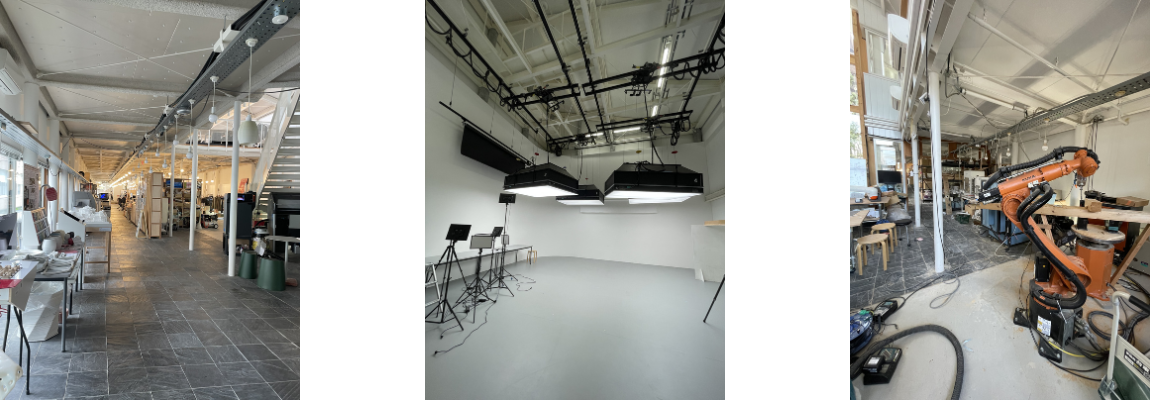
At KYOTO Design Lab, we explored how design acts as a bridge between disciplines and drives collaboration across the Kyoto Institute of Technology, fostering new ways of thinking and creating impact across fields. The experience highlighted the value of interdisciplinarity as a driver of more holistic innovation.
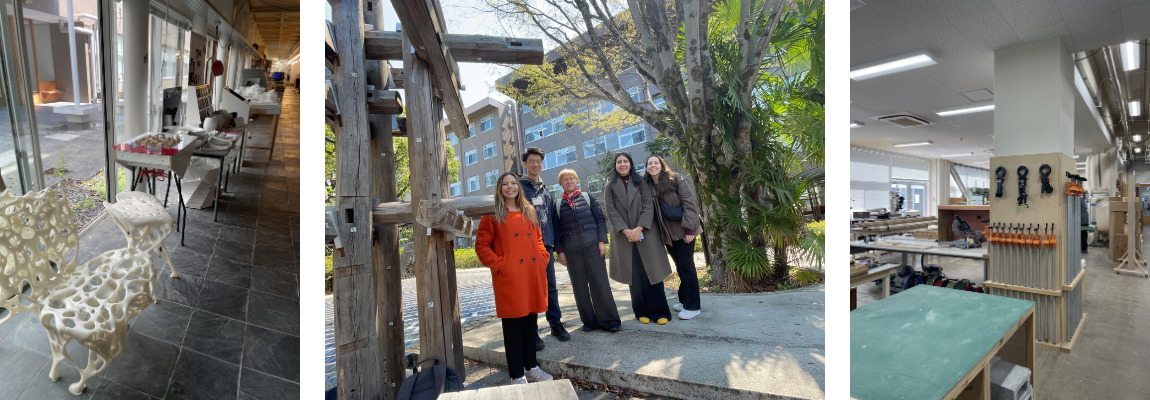
At Kyoto University, through Kyoto University Innovation Capital (iCAP), we gained insight into how deeptech ventures are supported along the full journey from research to market, underpinned by a strong connection between academia and investment. This ecosystem is complemented by KUViC, the university’s incubator, and the Entrepreneurship Education Division, where entrepreneurial mindsets are actively cultivated from within the university structure.
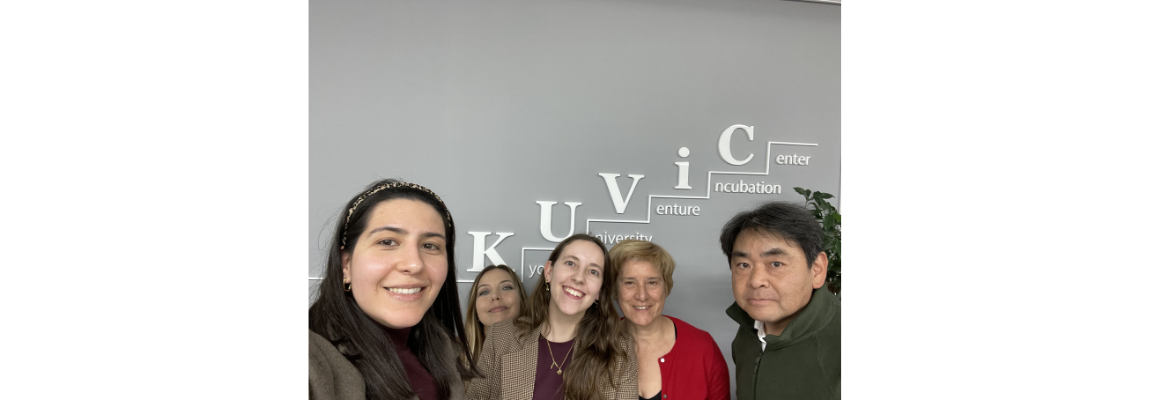
Building on what we had seen in Osaka, Kyoto further reinforced the importance of bringing together high-level researchers and experienced entrepreneurs, in line with the “Entrepreneur in Residence” model, ensuring that scientific excellence is paired with venture-building expertise from the earliest stages.
Teresa Vieira, Entrepreneurship Professor and Tec Labs’ Advisor, captured a broader reflection from the mission: “Beyond technology, Japan inspires us to innovate through education, autonomy and a strong sense of community.”
Beyond the institutional visits, Kyoto also gave us moments of pause, with serene landscapes and cherry blossoms in full bloom offering a quiet reminder that innovation is also shaped by timing, change, and renewal. Here, innovation feels deeply rooted, shaped by culture, intention, and long-term vision.
Tokyo: Innovation at Full Speed and Global Scale
After travelling from Kyoto to Tokyo on the Shinkansen, our final stop was the Japanese capital, where innovation moves at remarkable speed. As the global hub of the mission, Tokyo embodies scale, ambition, and constant momentum, shaping one of the world’s most dynamic innovation ecosystems.
At Sakura Deeptech Shibuya, the focus on deeptech startups highlighted Tokyo’s role as a launchpad for globally ambitious ventures, where international scalability is embedded from the start.
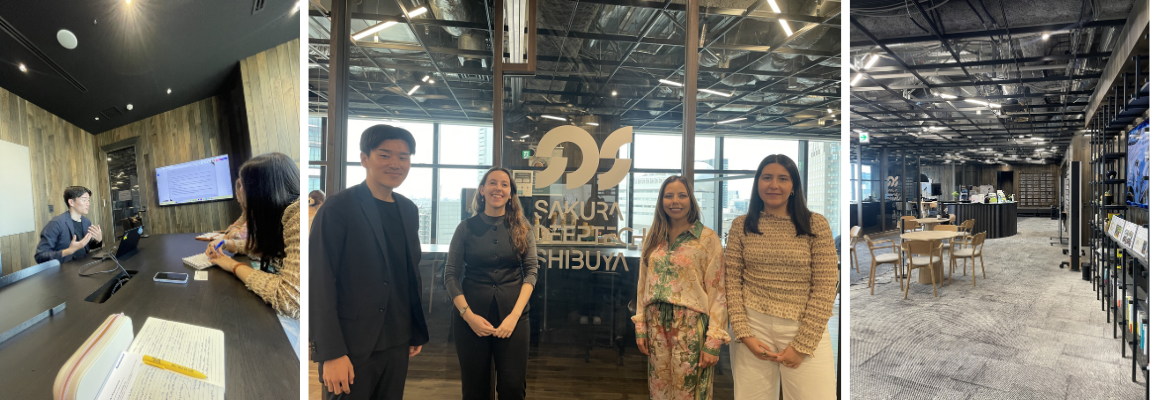
At CRIK Shinanomachi (Keio University), we experienced a strong integration between academia, healthcare, and entrepreneurship, reflecting the increasing importance of multidisciplinary collaboration in complex innovation fields.

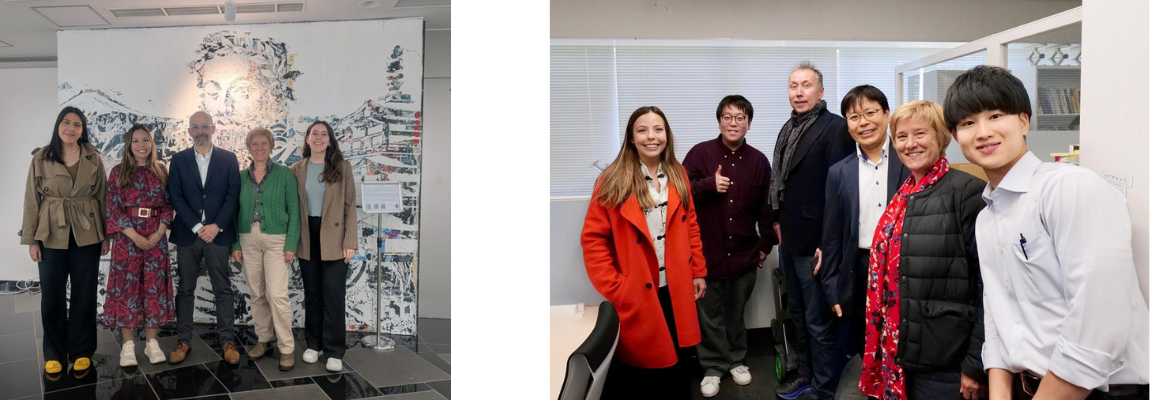
Our visit to the Embassy of Portugal in Japan, together with AICEP representation, reinforced the importance of institutional bridges in supporting international expansion and strengthening ties between ecosystems. The discussion focused on the realities of entering the Japanese market, where there is a clear preference for more mature startups that can demonstrate lower risk. It also highlighted that internationalisation into Japan is typically a gradual process, requiring persistence, long-term commitment, and strong local support. Having a trusted local partner on the ground was emphasised as a key factor in helping startups navigate the market and build meaningful relationships over time.
At Waseda University, we explored how one of Japan’s most established universities fosters entrepreneurship through strong connections between education, research, and industry. During the visit, we also had the opportunity to engage directly with students who shared their projects, creating space for exchange and discussion. These conversations allowed us to contribute with feedback and help unlock new perspectives, reinforcing the value of cross-ecosystem dialogue.
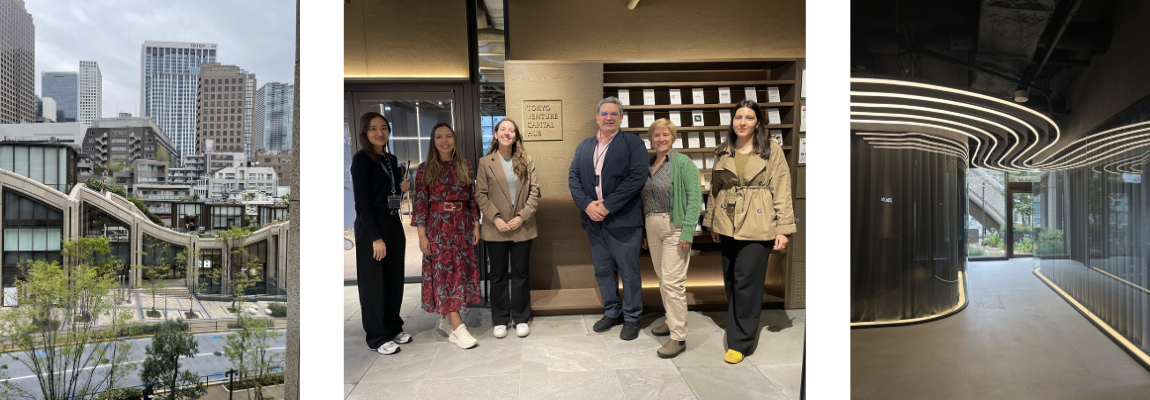
At Tokyo Venture Capital Hub, we explored a dynamic investment environment, bringing together a diverse range of investors and venture capital funds. The discussions highlighted how these actors maintain strong connections with innovation centres and incubators, supporting startup growth and international scaling.
At CIC Tokyo, these connections became tangible. As a globally connected innovation platform, it brings together startups, corporates, investors, and government organisations, creating a space where capital, policy, and innovation intersect to enable cross-border collaboration and scaling.
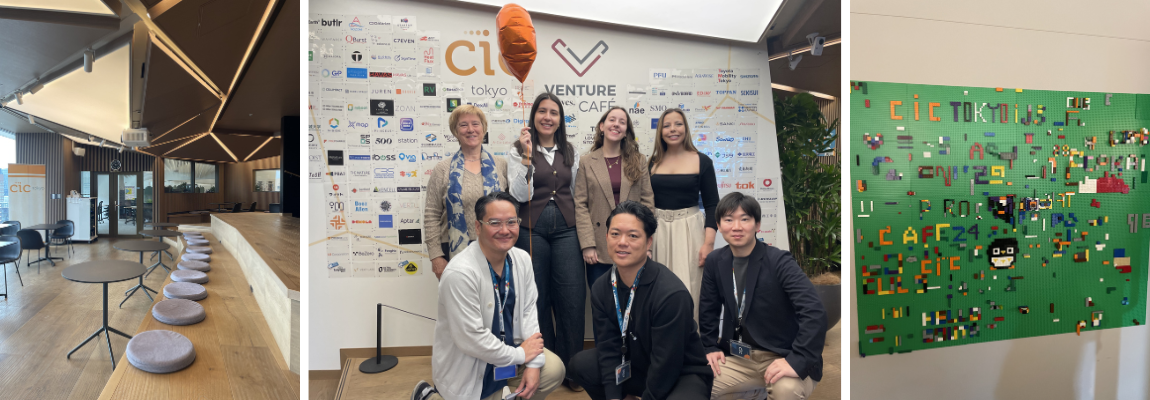
Maria Inês Neto, Innovation Office Coordinator, reflected on what this ecosystem encourages us to rethink: “We should place greater focus on strengthening long-term relationships with our clients – researchers, research centres, and incubated companies – understanding that trust takes time but is essential for meaningful and lasting impact.”
Beyond the meetings, Tokyo revealed its unmatched energy, a city of scale, intensity, and constant movement. If Osaka showed us the power of collaboration, and Kyoto the strength of structured and rooted innovation, Tokyo demonstrated what innovation looks like when it reaches global scale.
Portugal and Japan: Different Ecosystems, Shared Challenges
Across the mission, several parallels between the Japanese and Portuguese ecosystems became clear. Despite their differences in scale and maturity, both face similar challenges, particularly around talent attraction, human resources, and the ongoing effort to strengthen and sustain innovation ecosystems.
At the same time, Japan offered concrete inspiration for Tec Labs and the wider University of Lisbon ecosystem, particularly in the development of structured co-creation spaces and the potential evolution towards a university-linked venture capital approach, reinforcing the bridge between research and market.
Key Takeaways
Across all three cities, several overarching insights emerged:
- Strong integration between universities, industry, and government actors
- A mature and structured approach to deeptech and spin-off creation
- Increasing internationalisation of innovation ecosystems
- Strong emphasis on curated innovation spaces and community building
- Growing openness to global collaboration and cross-border investment
This mission reinforced Tec Labs’ commitment to strengthening international collaboration and deepening its role as a connector within global innovation ecosystems, while bringing back concrete inspiration for the development of its co-creation centre and future university venture-building initiatives.